|
TOURS
WHAT YOU
MIGHT SEE
ACCOMMODATION
LEADERS
LINKS
| |
|
|
GRUNE POINT
panoramic
view |
|
Length of walk |
2hrs approx - mainly on shingle beach but there is short
stretches on grass. |
|
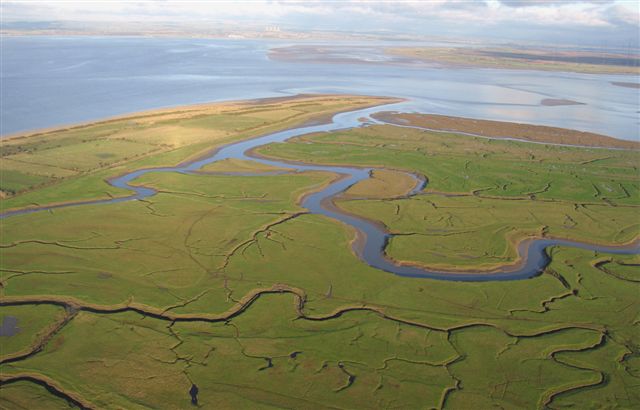
North of Skinburness, Grune Point is a sandy, raised
shingle beach approximately one mile long, from Skinburness to its
furthest extent. Its western side is exposed to the Solway and prevailing
westerly winds. To the eastern side, which is more sheltered, is
Skinburness salt marsh.
Grune Point along with other areas of vegetated shingle
along the coast supports a community of specialist vegetation, including
sea sandwort, sea holly and sand couch-grass. It is also a good migration watch point
for warblers and hirundines. |
| OS map |
Landranger number 85 (Carlisle & Solway Firth, Gretna
Green) |
| |
|
|
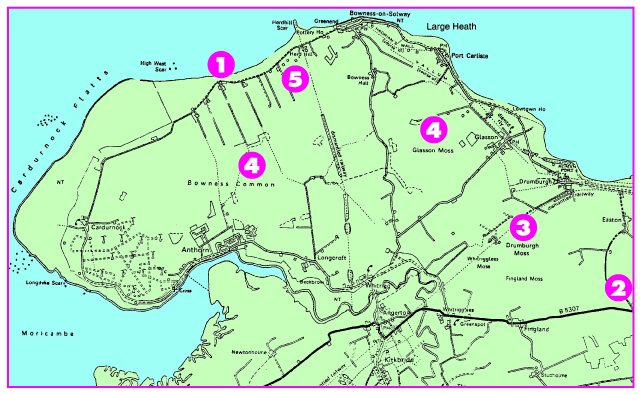
|
|
1: R.S.P.B. Nature Reserve - Campfield Marsh - situated
at the western edge of Bowness-on-Solway it stretches around the
saltmarshes and moss areas of the Cardurnock peninsula. A major feeding
area for huge flocks of Pink Footed and Barnacle Geese at the southern end
of their winter migration. Recent flooding of inland fields behind the
shoreline will soon help to increase the variety of habitat and visiting
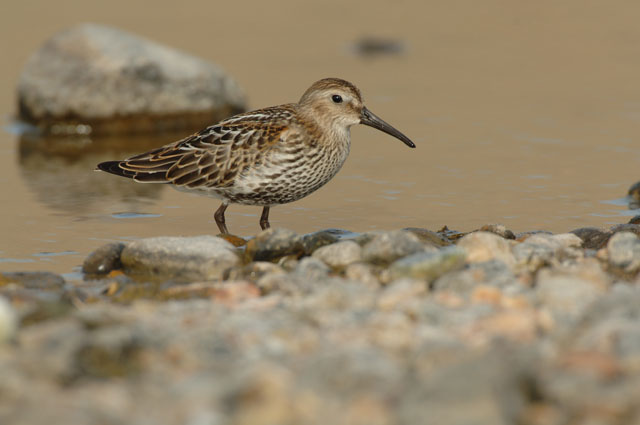
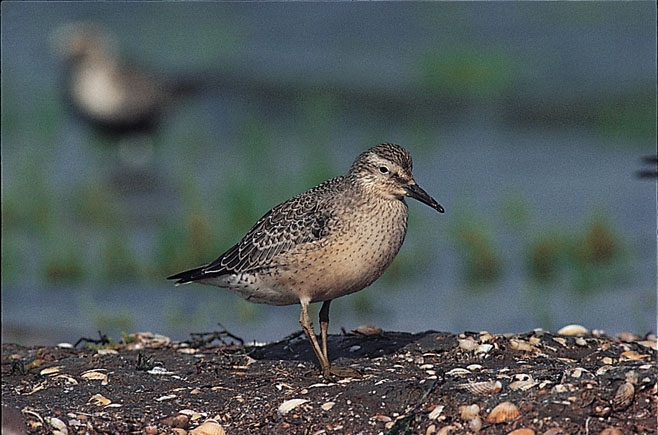
birds to be seen on the Solway. Oyster Catchers, Curlew, Bar Tailed Godwit
and Dunlin are all to be seen between September and April. Red Shanks can
be found in uncharacteristically large flocks around Port Carlisle dock. |
| 2: Finglandrigg Wood National Nature Reserve
- An area of mixed woodland, open heath and grassland. Red Squirrels and
Adder occur on the site along with birds such as the Great Spotted
Woodpecker, Woodcock and Willow Tit. |
| 3: Drumburgh Raised Mire - Partridge & Redshank can
all be seen on the moss whilst Frogs, Toads, Newts and Dragonflies share
the ditches. |
| 4: Bowness Common & Glasson Moss
National nature Reserve - The largest area (over 90 hectares) and probably
the best example of lowland raised mire in England. Many species of
Sphagnum Moss are present together with Cranberry, Bog Asphodel and
Heather. Bird life includes Red Grouse, Redpoll, Snipe as well as Curlew
nesting sites. |
|
5: Nature Reserve - Only a few yards off the road. 18
acres of old flooded gravel pits are the home of a wide variety of flora
and fauna which have been allowed to colonise the area since 1966:
dragonflies, damsel flies, both smooth and crested newts, as well as a
large number of frogs and toads |
|